Toner Pad Substrates for
K-Beauty & J-Beauty Brands
A toner pad substrate is the dry pad that a filler soaks in toner, essence or peeling solution and packs into a jar.
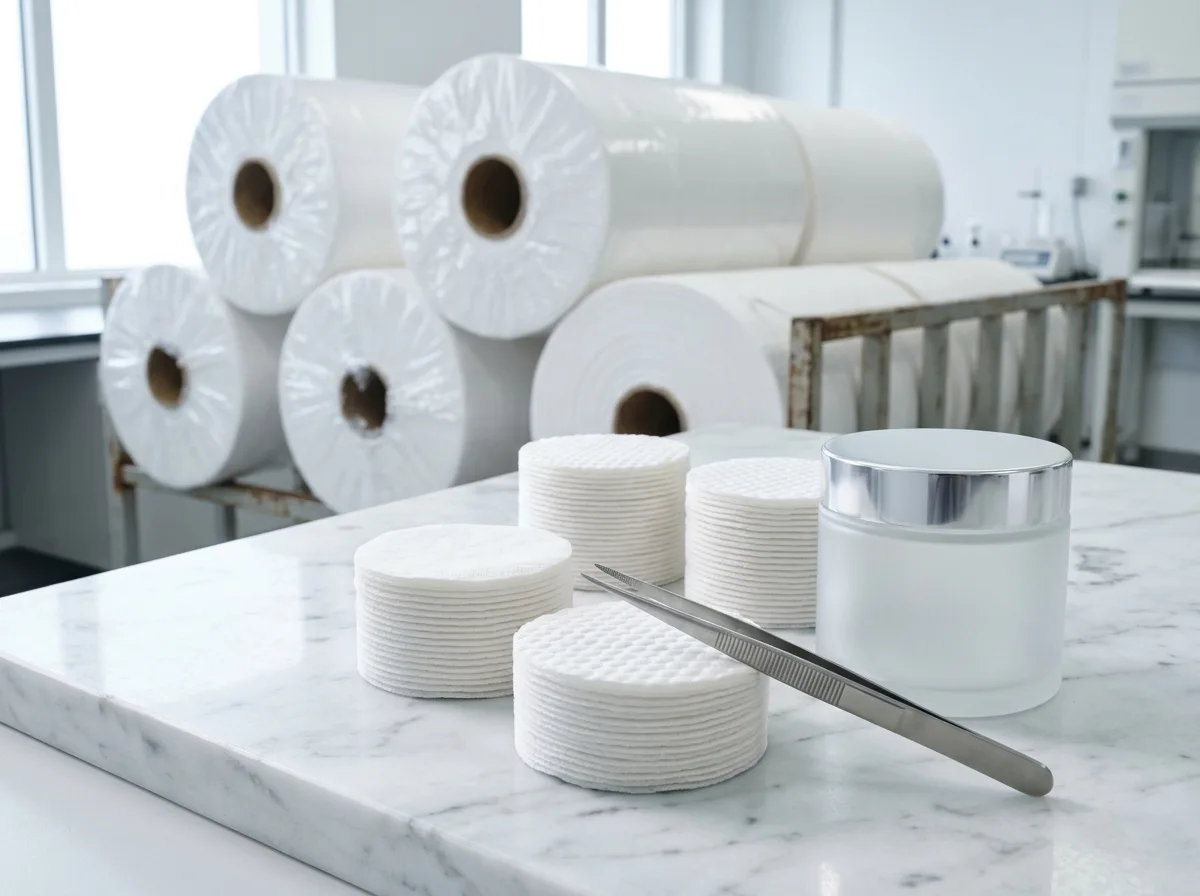 Click to Inspect Full-Resolution Sample
Factory Key Facts & Commercial Parameters
Verified production capabilities, substrate options, and private-label packaging thresholds from our Foshan facility.
Key facts
Formats, Fiber Comparisons & Export Compliance
Select a technical dimension below to inspect detailed material comparisons, dimensions, and market compliance rules.
What fillers need from a substrate: absorbency, wet strength, lint
A filler needs a pad that takes up the same amount of liquid every time, stays intact when lifted from a wet jar, and leaves no fibers on the face. Five properties decide that:
| Property | Why it matters | What to specify |
|---|---|---|
| Liquid pickup | Sets the fill weight per pad and the cost per jar | Target grams of liquid per pad, or per gram of dry pad |
| Retention and release | Pads must hold liquid in the jar without pooling, then release it on the skin | Acceptable free liquid in the jar after your stability period |
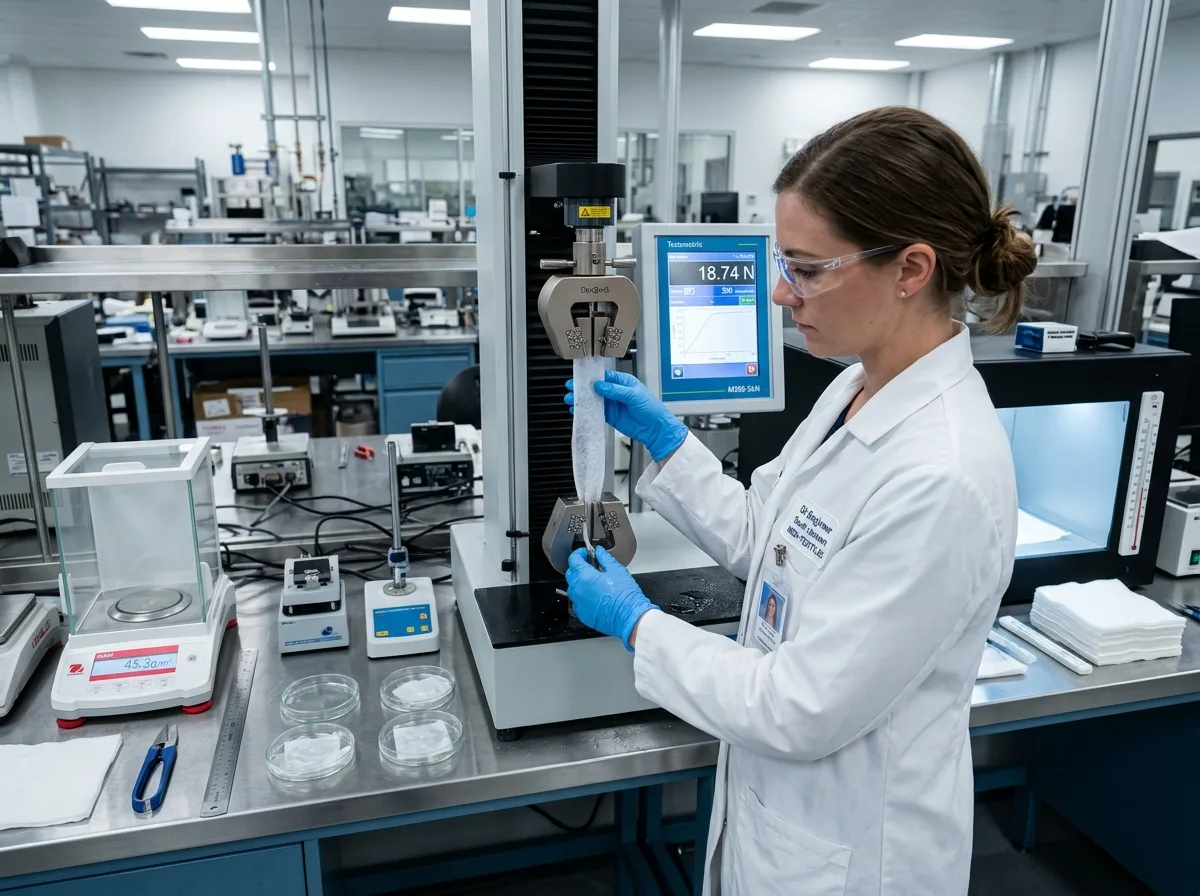
| Wet strength | Pads must not tear or pill when lifted with tongs or fingers | Wet tensile strength in machine and cross direction |
| Lint | Loose fibers on the skin cause complaints and returns | Lint limit and test method |
| Dimensional stability | Pads swell when wet; size drift affects jar fit | Dry and wet diameter, thickness |
How fiber choice changes performance
View Full Specification Details
Formula compatibility
View Full Specification Details
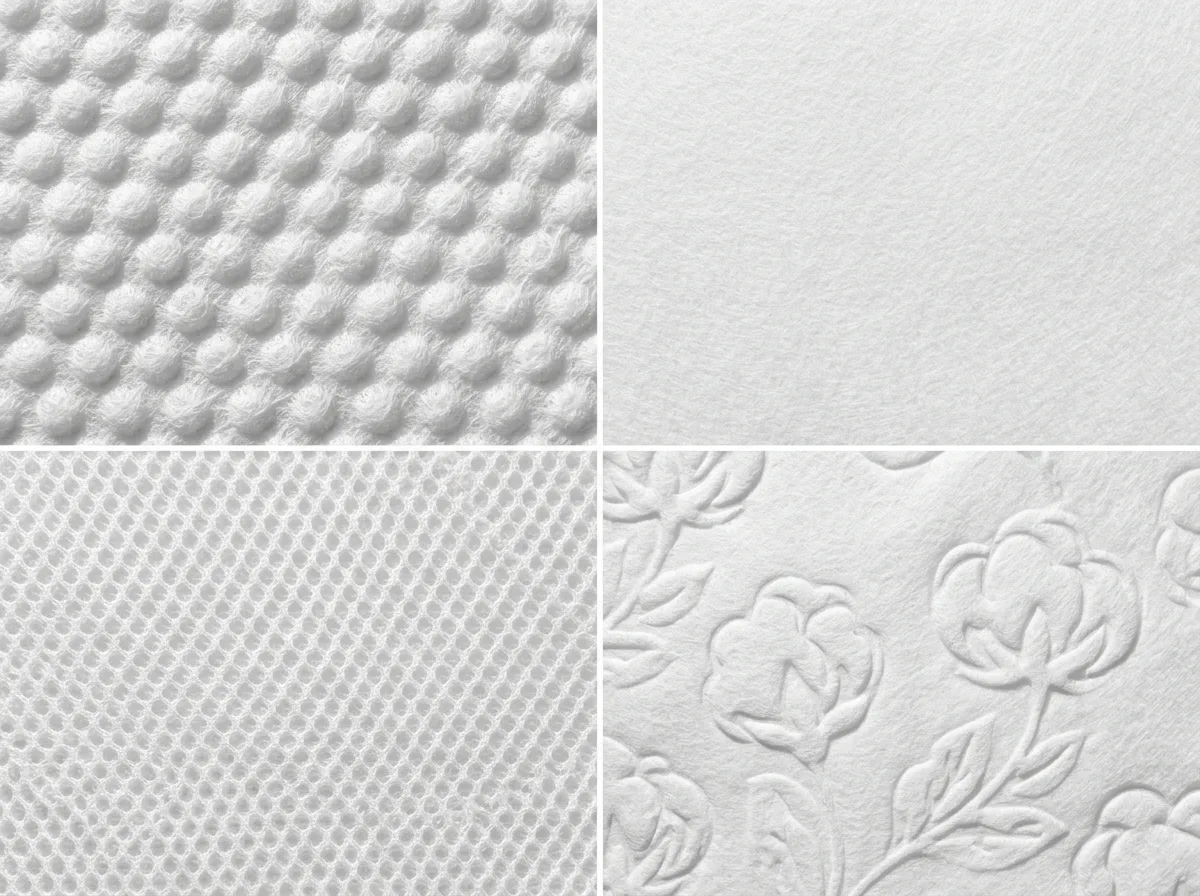
Textures: embossed, dual-sided, dimple, quilted
Texture decides how a toner pad feels and how much liquid it carries. We make four main types:
Tell us whether the pad is for exfoliating, soothing or essence use, and we will suggest a texture and basis weight.
Formats: cut pieces, jar-ready stacks, rolls
We can supply substrates in three formats, depending on how your filling line feeds pads:
| Format | How it is packed | Suits | What to tell us |
|---|---|---|---|
| Cut pieces | Loose pads in sealed PE bags inside cartons | Manual or semi-automatic filling | Size, shape, pads per bag |
| Jar-ready stacks | Counted, aligned stacks, e.g. 60, 70 or 80 pads, textured side facing the same way | Fast jar loading before liquid dosing | Count per stack, orientation, stack height |
| Rolls | Slit rolls on cores, wrapped and palletized | Lines that cut and stack pads in-line | Width, roll diameter, core size, splice limit |
We already make 3-layer cotton composite roll stock for cotton pad converting, which is the starting point for roll supply.
Spec table & tolerances
We agree every parameter below in a written specification before production, each with a tolerance and a test method.
| Parameter | Range | Tolerance | Test method |
|---|---|---|---|
| Fiber composition | Cotton, lyocell, viscose or blends | ±3% | Fiber composition test report |
| Basis weight (GSM) | 40–100 gsm (customizable) | ±3% to ±5% | ISO 9073-1 (mass per unit area) |
| Diameter or size | 55, 60, 65, 70 mm round / D-shape | ±0.5 mm precision die-cut | Digital caliper on dry pads |
| Thickness | 0.35–1.60 mm (single or dual-layer) | ±0.05 mm | ISO 9073-2 |
| Liquid absorption capacity | 8.5–12.0 g essence per g substrate | ≥ 8.5 g/g minimum | ISO 9073-6 |
| Wet tensile strength (MD/CD) | 28–65 N/50 mm (MD) / 14–32 N/50 mm (CD) | Minimum ≥ 12 N/50 mm wet CD | ISO 9073-3, tested wet |
| Lint (dry & wet particle release) | < 15 particles per pad (Zero-Lint Grade) | Maximum ≤ 20 particles | ISO 9073-10 & wet dark-glass rub test |
| Count per stack or bag | 60, 70, 80 or 100 pads per sleeve | 100% weight & optical count verified | Automated stack counter per lot |
| Fluorescent whitening agents | Not detected | — | ISO 9073-10 & wet dark-surface rub test |
Each carton carries a lot number linked to the raw-material batch and production date, so any complaint can be traced to one production run.
Lotion pickup testing with your essence
The fastest way to choose a substrate is to test 2–3 candidate pads with your own liquid. We send the pads; you or your filler run the test:
If you prefer, send us the liquid’s viscosity, alcohol content and pH, and we will shortlist pads before sampling. Any liquid sample you ship to us needs a safety data sheet (SDS).
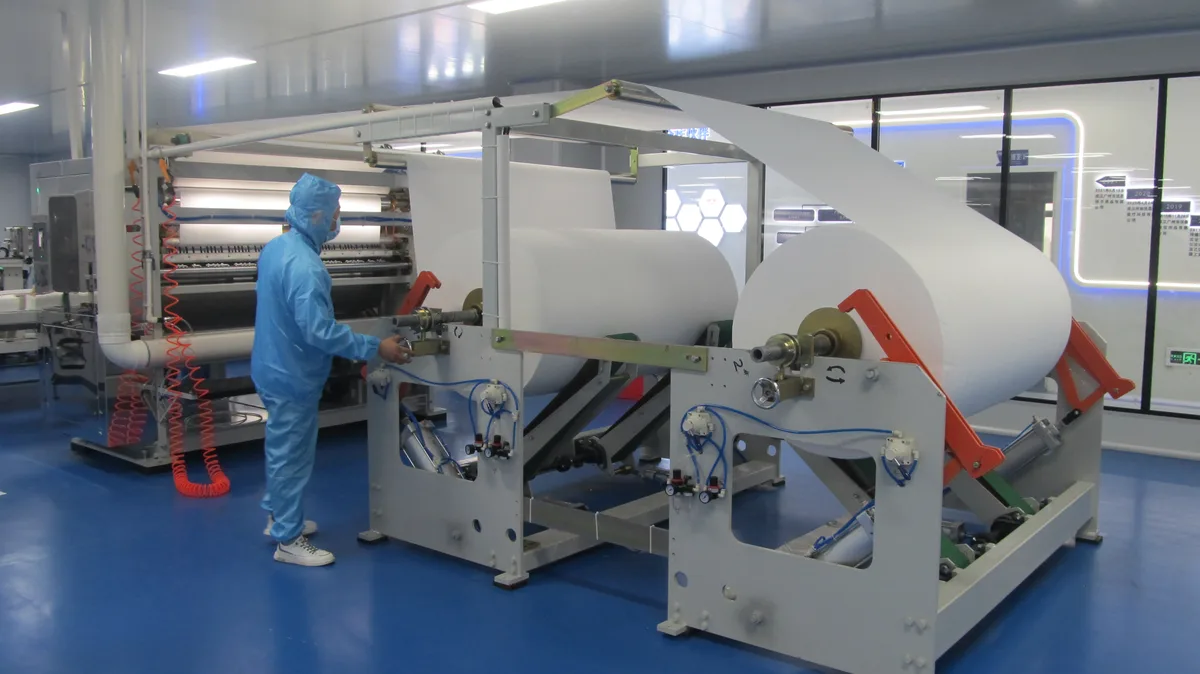
Supplying fillers in Korea, Japan and the US
View Full Specification Details
See also our market pages Supplying Japanese Brands and Supplying K-Beauty Brands & Fillers.
Patented Surface Textures & 30-Second Spec Builder
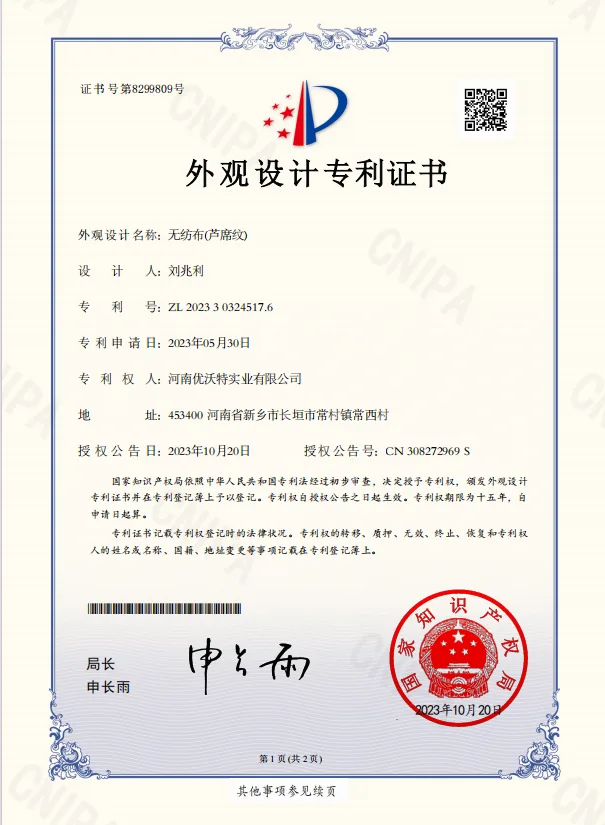
Choose from 7 CNIPA-patented embossing patterns with zero roller tooling fee, or configure your exact private-label SKU.
50–100 GSM3D Pearl Weave (Best-Seller)
Macro & Micro 3D Hydroentangled Pearl Relief40–80 GSMPlain Smooth Weave
Ultra-Smooth Zero-Friction Calendered Surface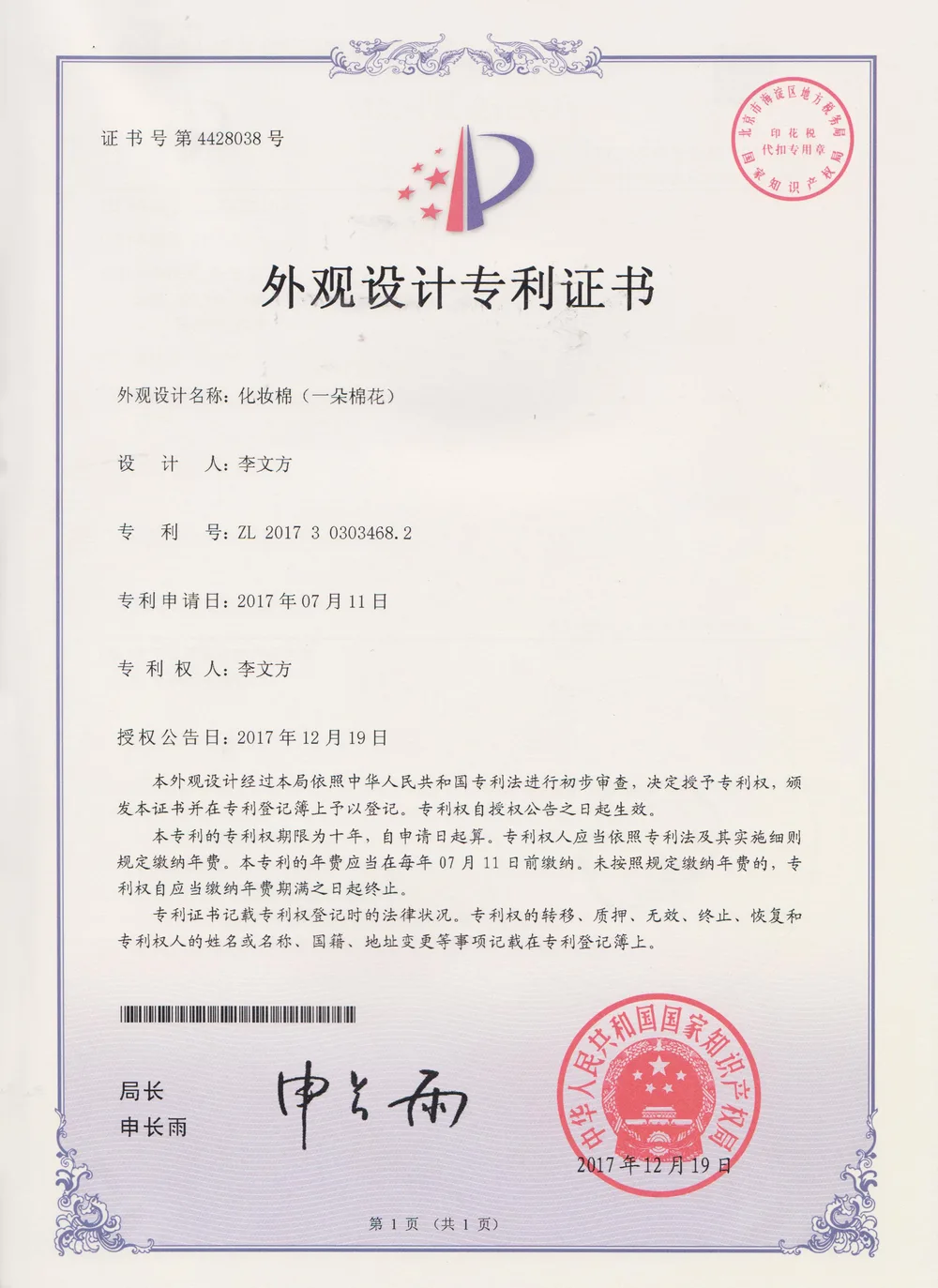 45–90 GSM
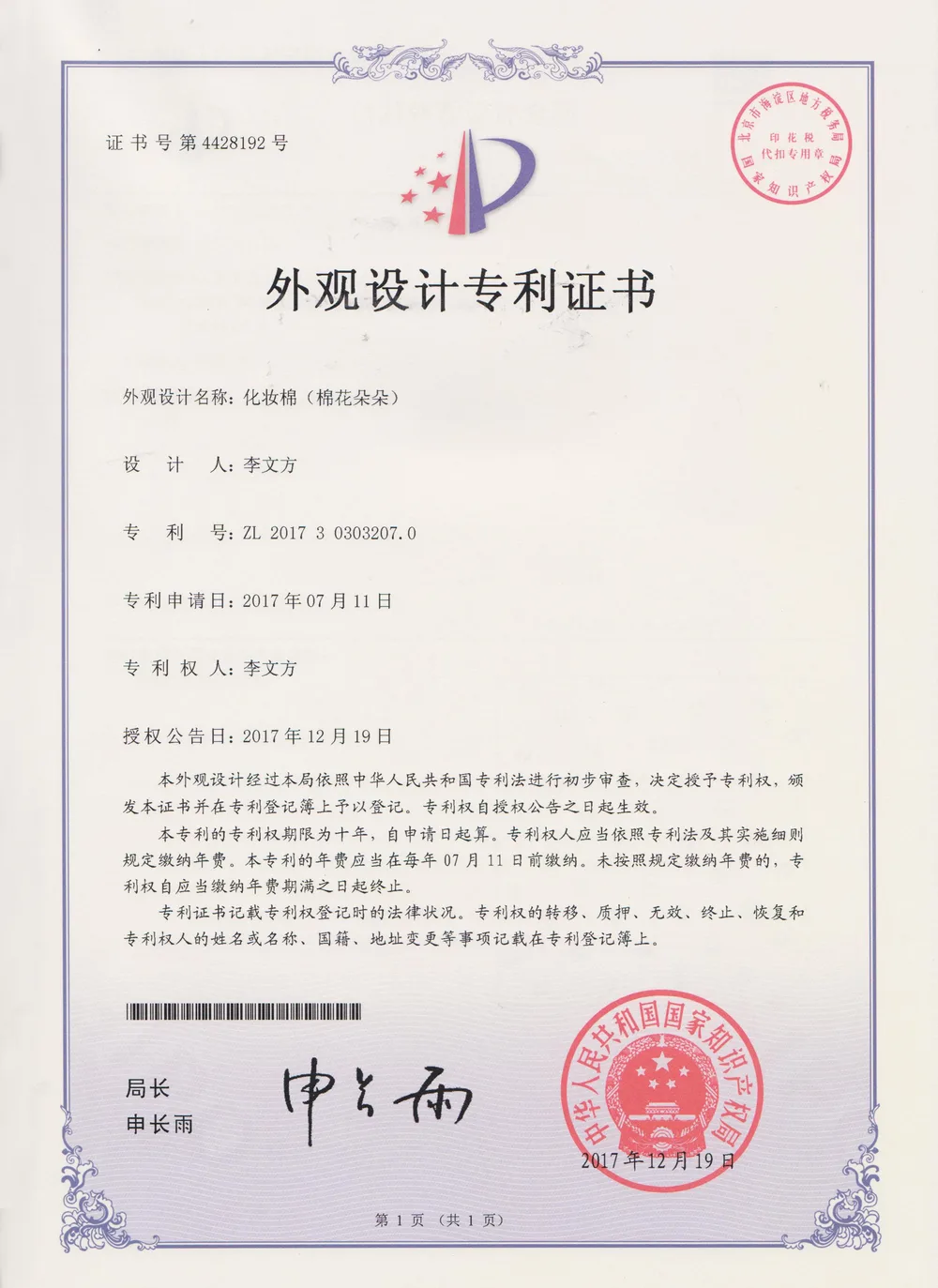
Patented “Single Cotton Flower”
ZEFU Exclusive CNIPA Patent · Single-Blossom Relief50–90 GSMPatented “Reed Mat & Bauhinia”
ZEFU Exclusive CNIPA Patents · Reed-Mat & BauhiniaBuild Your Custom Product Spec & Check Instant Factory MOQ
Face Towels (Pull-Out / Roll)
- Fiber: 100% Plant Viscose (Plastic-Free)
- GSM & Weave: 65 GSM · 3D Pearl Weave
- Packaging: Custom Printed Retail Box / Soft Pack
- Standard MOQ: 1,000 Boxes
- Est. 40HQ Load: 28,000–35,000 Boxes / 40HQ
- Stock Sample Lead Time: 3–5 Days (Free Sample Kit)
Quality Assurance, Patents & Technical FAQs
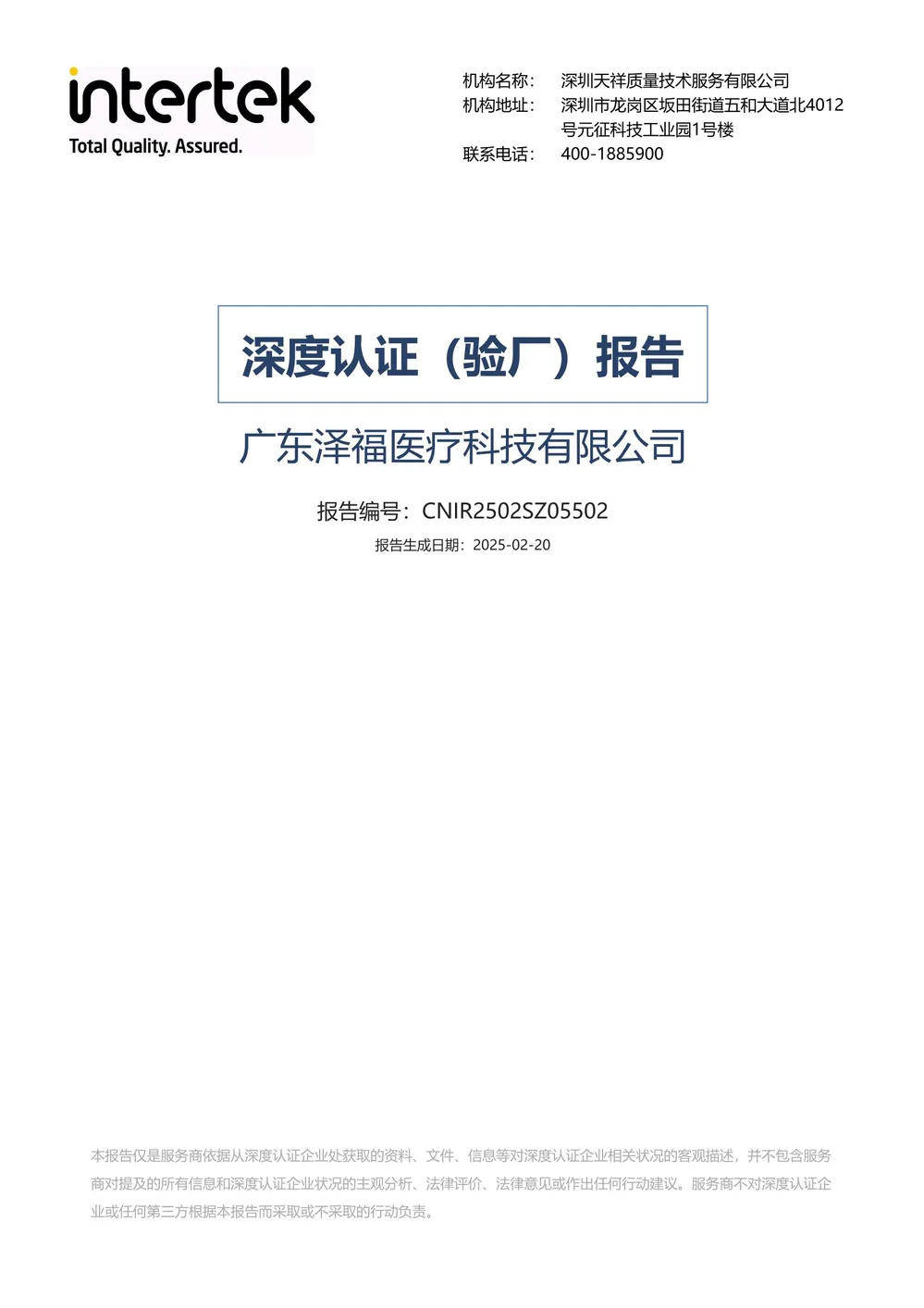
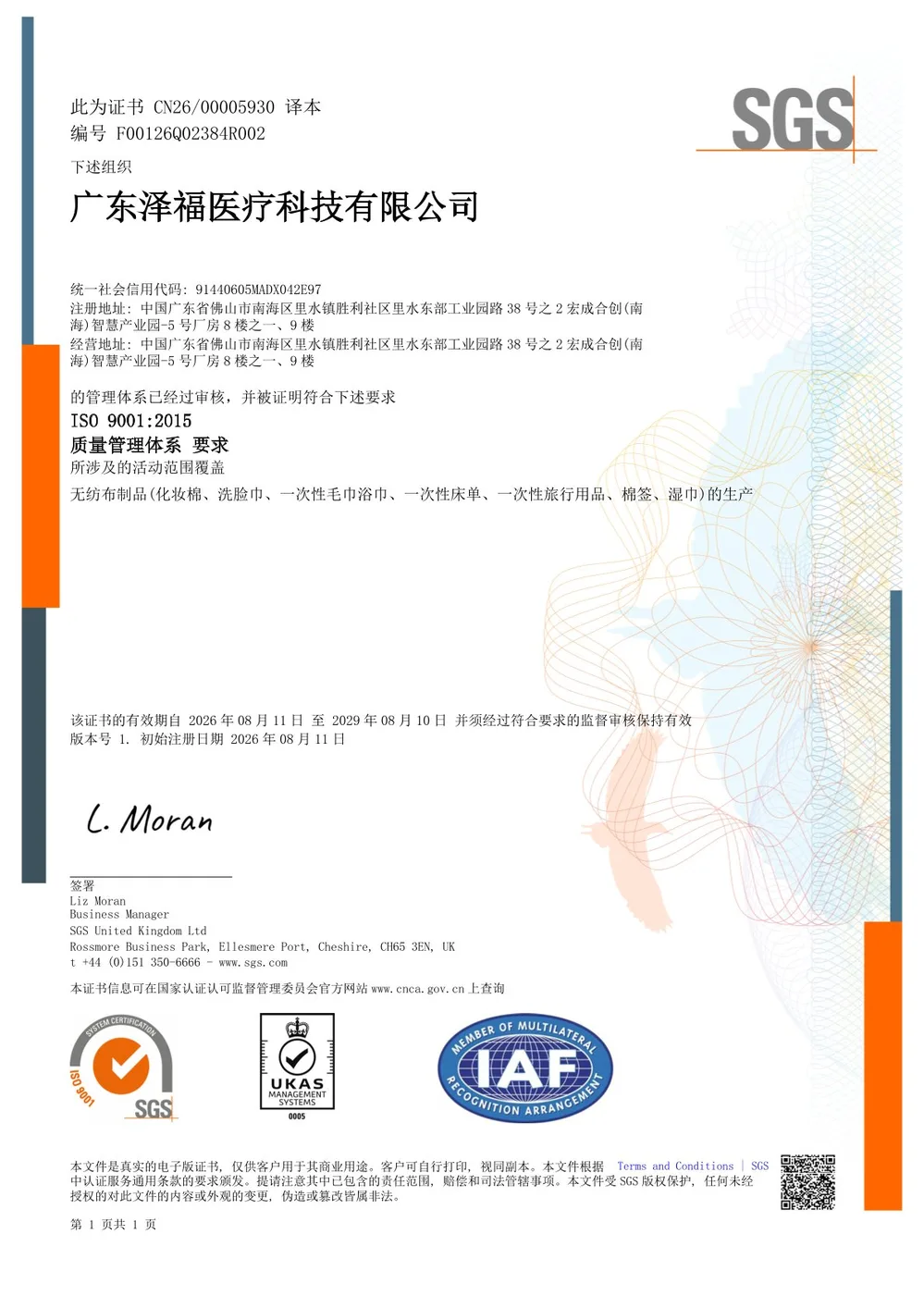
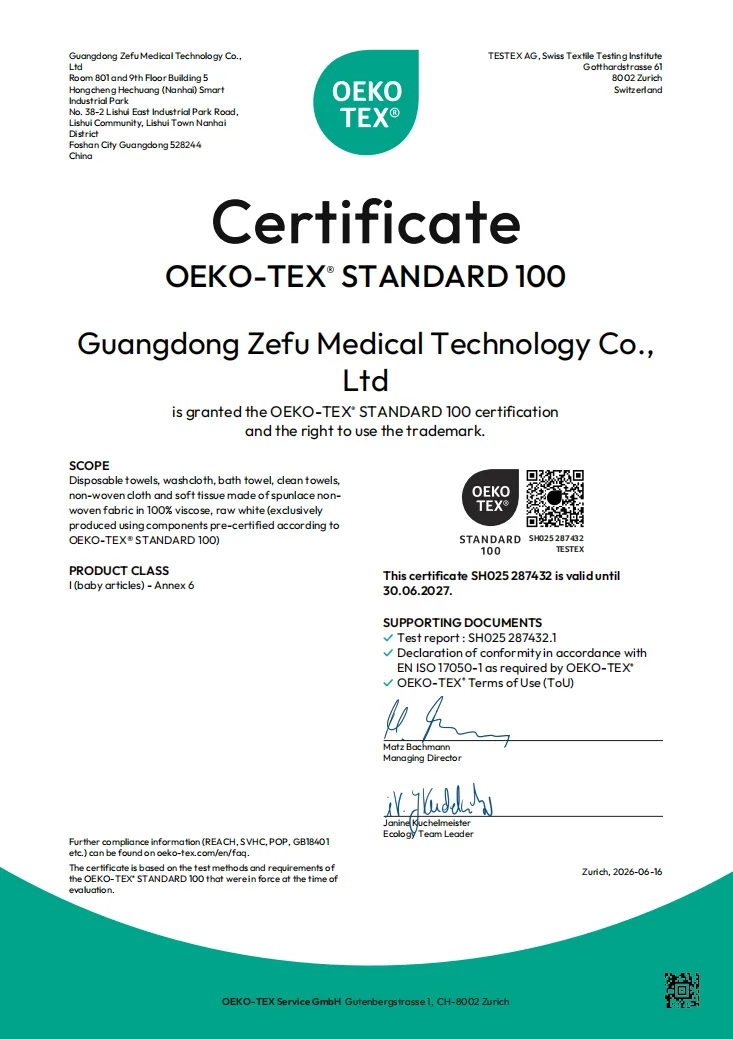
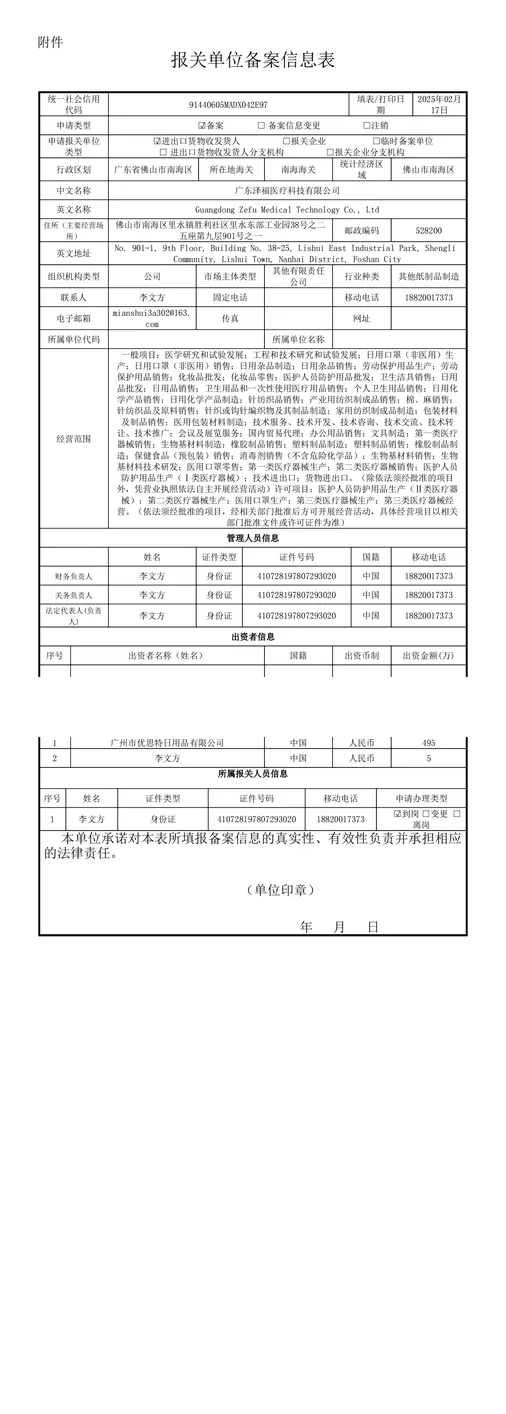
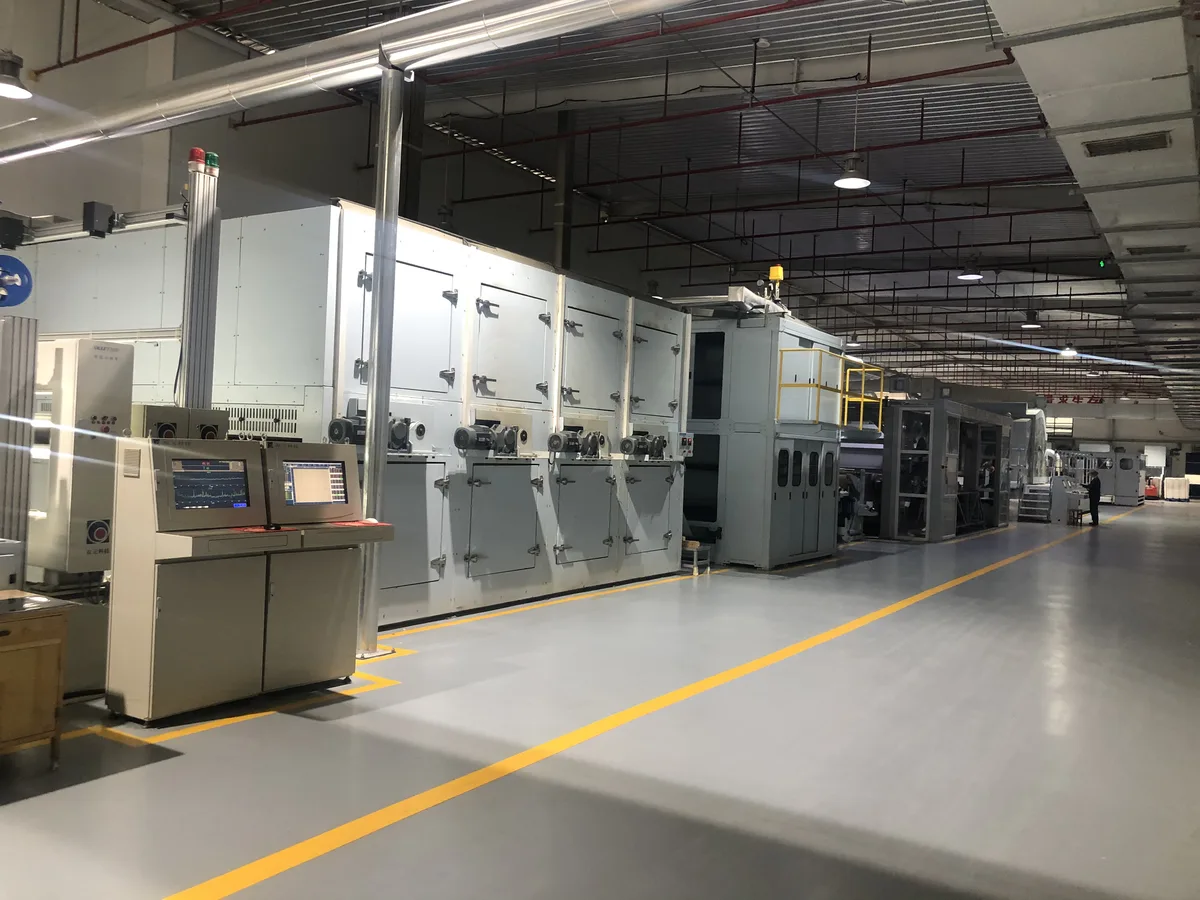
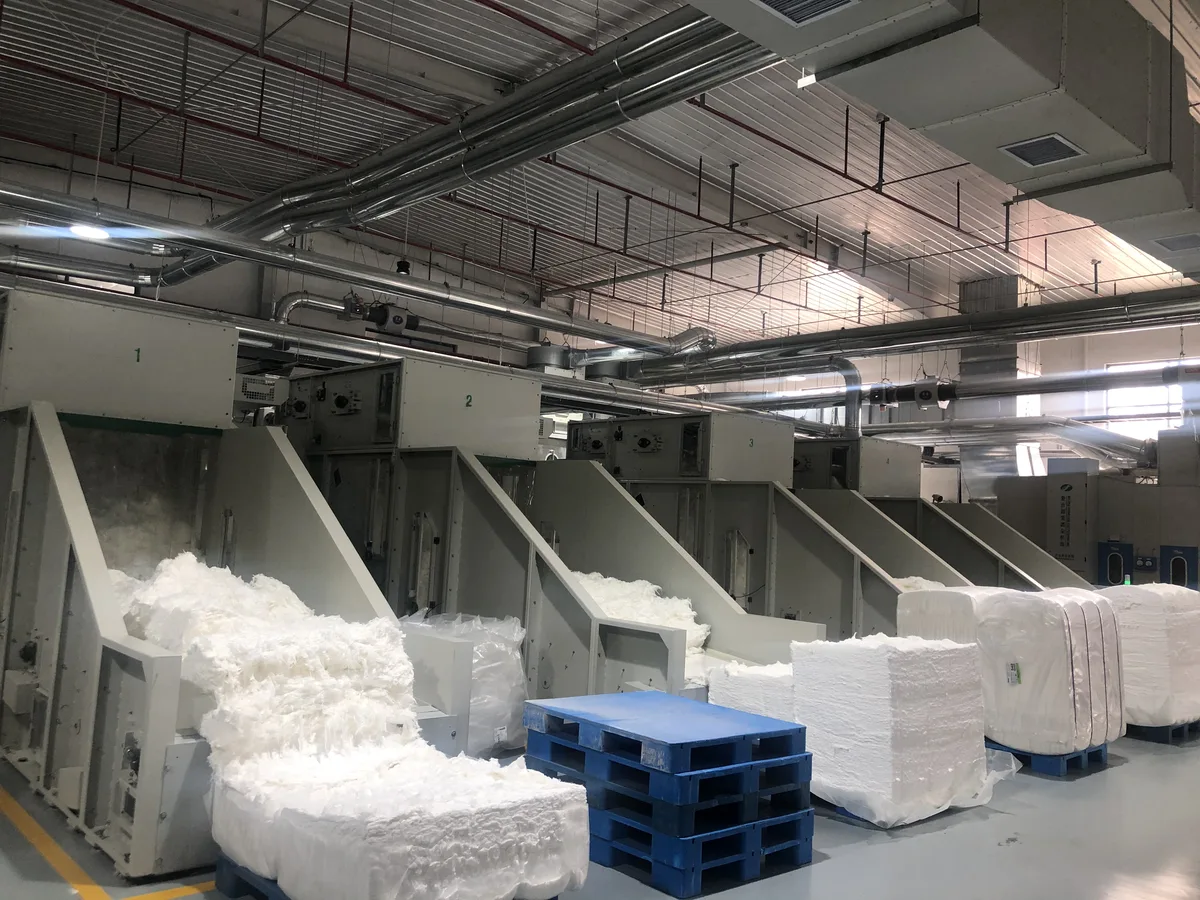
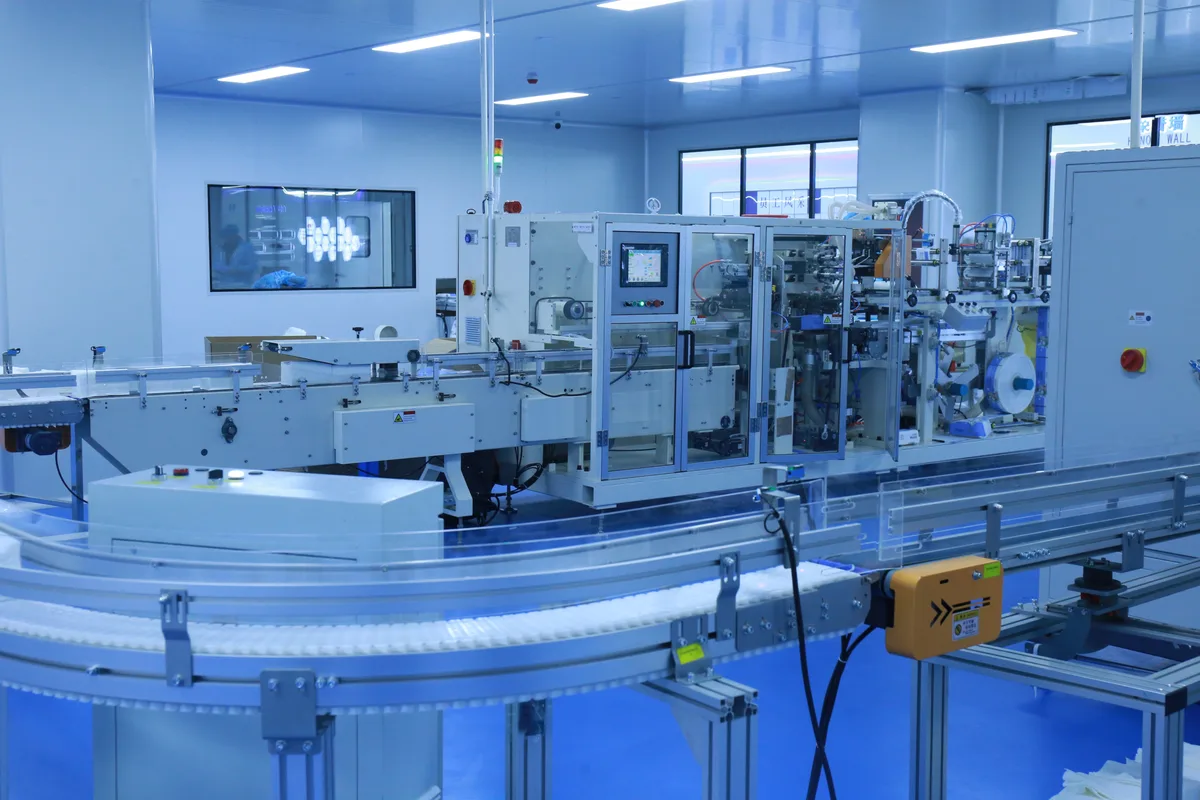
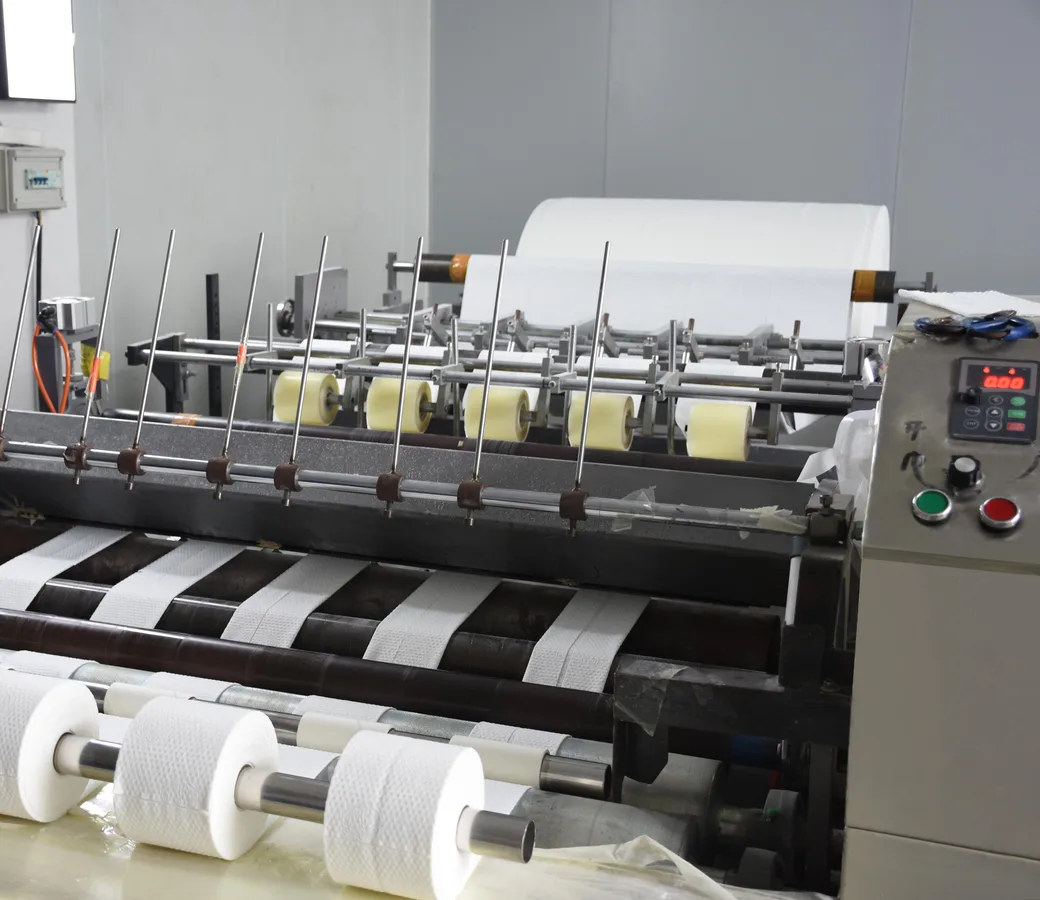
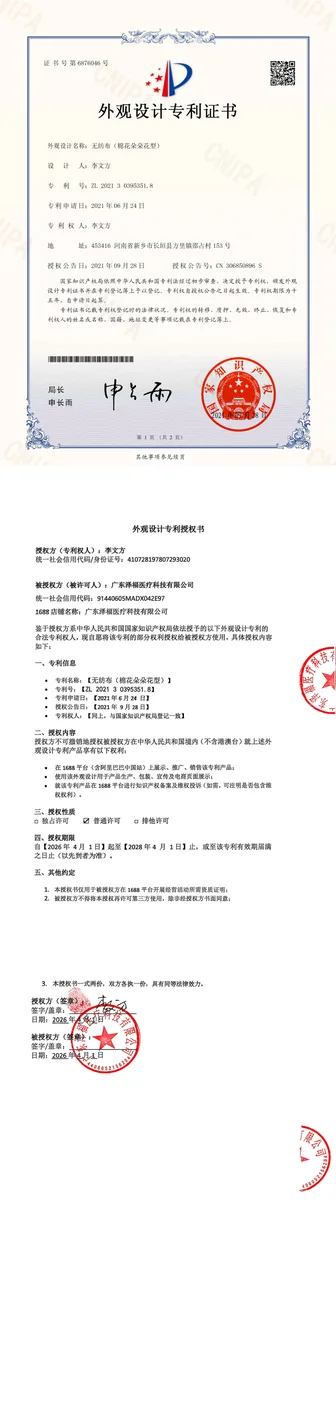
Inspect original third-party audit certificates, automated converting lines, or buyer procurement FAQs.
FAQ
Q1Do you supply pads to toner pad filling factories?+
Q2What diameters and thicknesses are available?+
Q3Can you match our current pad?+
Q4What is your GSM tolerance?+
Q5Can you supply rolls instead of cut pads?+
Q6How do you pack pads for filling lines?+
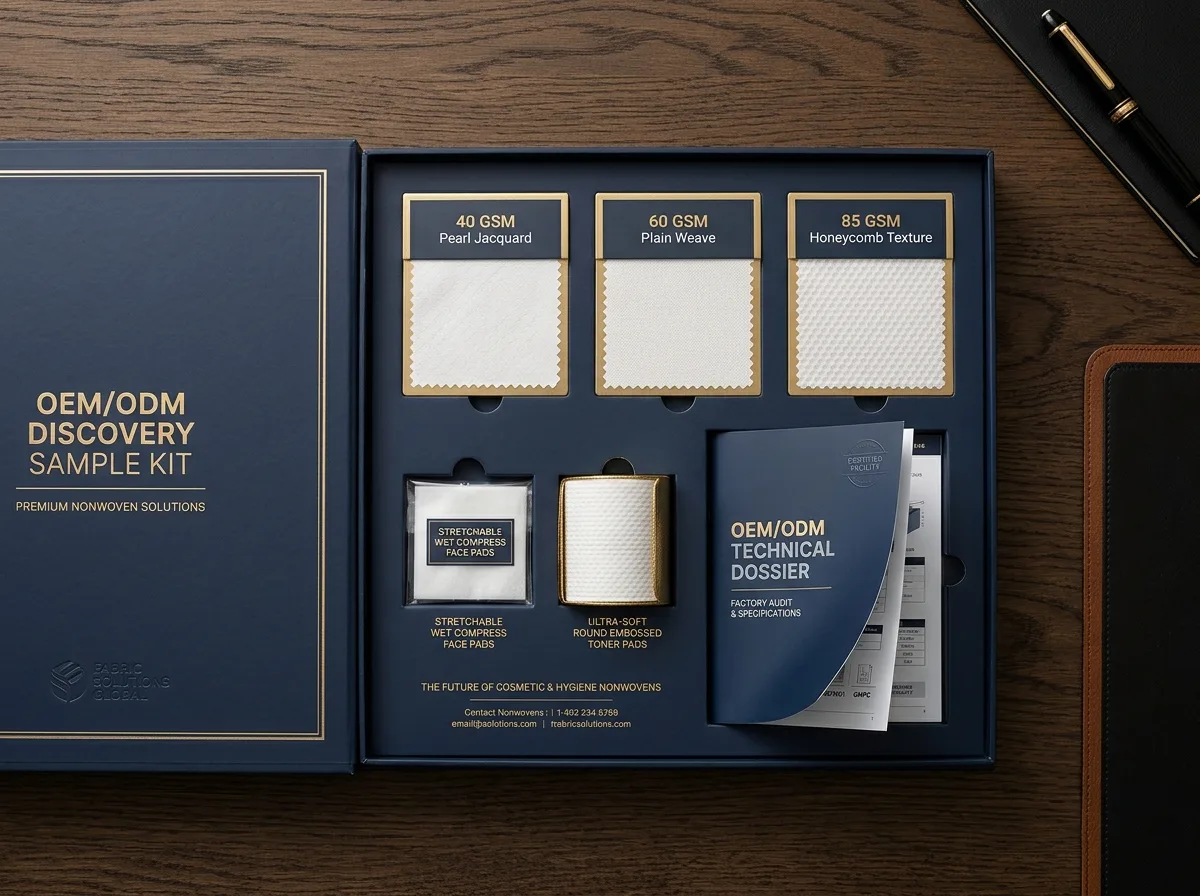
Test Physical Swatches of Toner Pad Substrates for K-Beauty & J-Beauty Brands at Your Desk.
Verify GSM thickness, wet tensile strength, lint-free performance, and packaging quality in person before placing your trial order.

Request Sample Kit or FOB / DDP Quote
Product Line: Toner Pad Substrates for K-Beauty & J-Beauty Brands (40–80 GSM)